


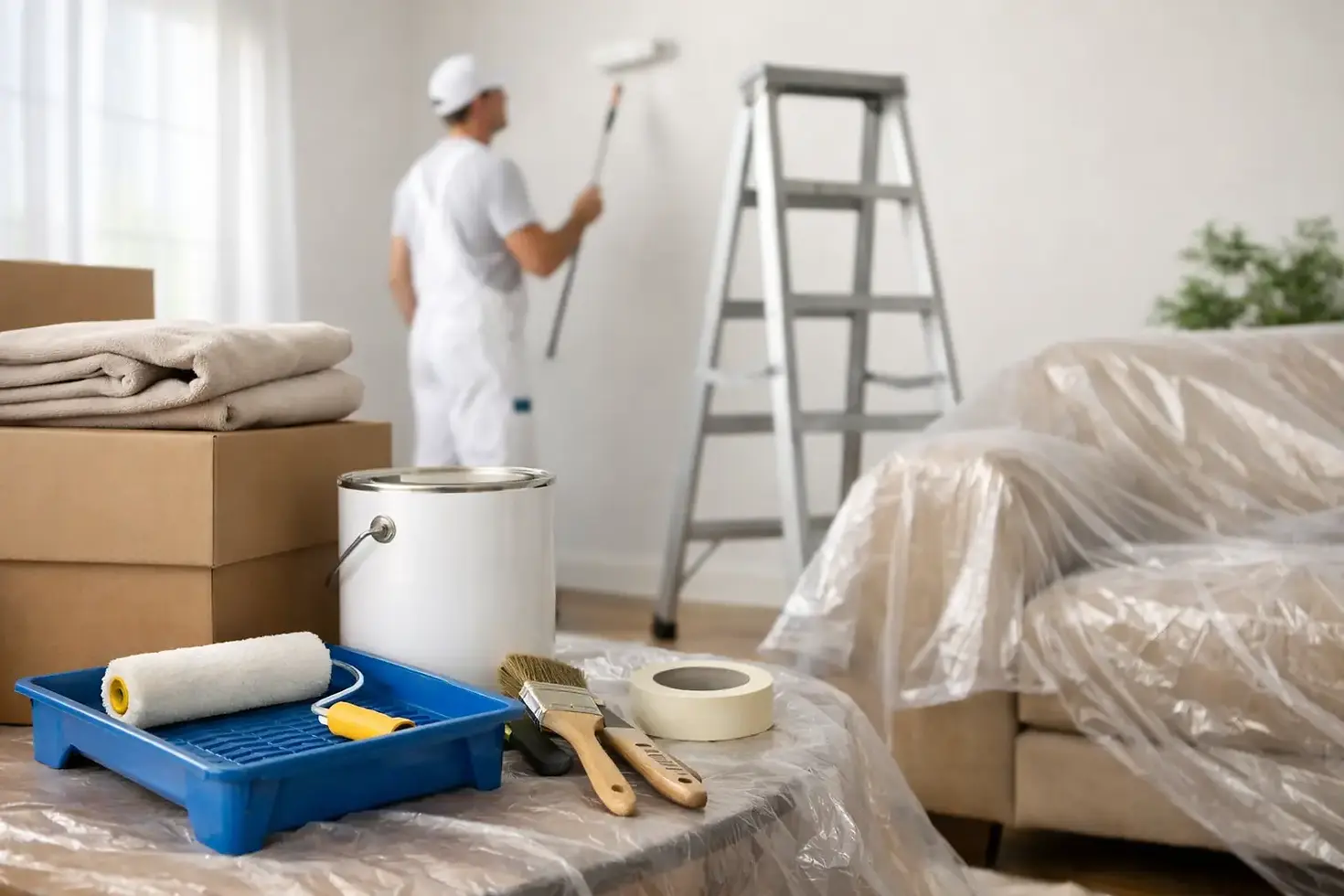
How to Prepare for Interior Painters
When a painting crew arrives at a home that is truly ready, you can feel the difference right away. The work starts faster, the space stays more organized, and the finish usually benefits from that calm, controlled setup. If you're wondering how to prepare for interior painters, the goal is not to do their job for them. It is to remove obstacles, protect what matters, and create the conditions for excellent work.
That matters even more in homes with detailed trim, built-ins, wallpaper removal, cabinet refinishing, or specialty finishes. High-end interior painting is rarely just about putting color on walls. It is about clean lines, proper access, surface protection, and a workflow that lets the crew focus on craftsmanship instead of rearranging a room for the first hour.
How to prepare for interior painters before day one
The best preparation starts before anyone opens a can of paint. Walk each room with the scope of work in mind and ask a simple question: what needs to stay, what can move, and what needs special care?
Small decorative items should be fully removed. That includes framed art, lamps, plants, electronics, breakables, and anything sitting on shelves, mantels, or side tables. If a room has bookshelves or built-ins being painted, empty them completely unless your painter tells you otherwise. Even when a crew handles prep carefully, fewer loose items in the room means fewer risks and more working space.
Larger furniture is a little different. In many cases, painters can move substantial pieces to the center of the room and protect them properly. Still, homeowners help the process by clearing what they reasonably can ahead of time. Dining chairs, lightweight accent tables, floor lamps, and rolling carts are easy wins. If you have unusually heavy, delicate, or valuable furniture, mention it before the project begins so a plan is in place.
Wall-mounted items deserve extra attention. Remove mirrors, curtain hardware if requested, televisions if necessary, and personal artwork. If you want specific pieces reinstalled in exact spots, take a few quick photos first. It saves guesswork later.
Give painters clear access to the surfaces
Interior painting goes more smoothly when walls, trim, ceilings, and doors are easy to reach. That sounds obvious, but in lived-in homes, access is often the hidden issue that slows everything down.
Pull furniture several feet away from walls if you are comfortable doing so. Open up pathways between rooms, especially in hallways, stair landings, and entry points where ladders and materials will move through. If a crew is painting closets, clear those too. If they are refinishing cabinets or built-ins, empty the contents completely unless your contractor has told you a section can remain in use.
This is also the right time to think about parked cars, elevator access in condo buildings, loading instructions, and building rules. In Chicago homes and multi-unit properties, those logistical details can affect the schedule more than people expect. A little coordination ahead of time prevents a rushed start.
What to do with fragile or valuable items
If something is irreplaceable, remove it from the work area. That includes heirlooms, collectibles, sensitive electronics, and anything with real sentimental or financial value. Professional painters use drop cloths, plastic, and careful procedures, but active job sites have movement, dust, and the occasional bump.
For especially fine furnishings or specialty surfaces nearby, bring them up during the estimate or pre-job walkthrough. Premium painters would rather know early and protect properly than make assumptions on site.
Clean enough, but do not overdo it
Homeowners sometimes think they need to deep-clean every wall before a crew arrives. Usually, that is not necessary. Professional painters handle surface preparation as part of the job, and the exact prep depends on what is being painted and what condition it is in.
What does help is basic household tidiness. Vacuum or sweep if floors are dusty. Clear pet hair from corners if it builds up heavily. Wipe obvious grease or residue from areas that are not part of the contracted prep but may affect the workspace, such as around kitchen furniture being moved. The point is not perfection. The point is to start with a reasonably orderly home.
If you know about problem spots, mention them. Water stains, peeling areas, smoke residue, old tape marks, wallpaper seams, or previous patching issues should be pointed out before work begins. Good painters look for these things anyway, but homeowner insight is useful, especially in older homes where layers of past work can hide surprises.
Make decisions early so the crew can stay in motion
One of the most overlooked parts of how to prepare for interior painters is finishing the decision-making before the first day of work. Color, sheen, repair scope, accent walls, and what exactly gets painted should all be settled in advance whenever possible.
The reason is simple. A painting project loses momentum when the crew has to stop and wait for a color confirmation, a trim decision, or an answer about whether the ceiling is included. That pause affects labor flow and can sometimes affect the finish schedule too.
If you are choosing whites, subtle neutrals, or trim colors, look at samples in the actual room and at different times of day. Sheen matters as much as color in many interiors. A flatter finish may soften wall imperfections, while a more washable finish may make sense in high-traffic family areas. There is no one-size-fits-all answer. It depends on the room, the lighting, the surface condition, and how the home is used.
Confirm the project details in writing
Before the start date, make sure you understand the full scope. Which rooms are included? Are ceilings, doors, trim, closets, and baseboards part of the estimate? Who is handling nail hole filling, drywall repair, wallpaper removal, or caulking? Will furniture be moved by the crew, or should it be homeowner-ready on arrival?
These are small questions until they create confusion. Clear expectations make for a better job and a smoother experience.
Plan for kids, pets, and daily life
A painting project is temporary, but while it is happening, your home works differently. Fresh paint needs space to cure, doors may need to stay ajar, and certain rooms may be off-limits for stretches of the day.
If you have children, think through traffic patterns in advance. Which bathroom stays accessible? Where can backpacks, lunches, and daily clutter go if a mudroom or hallway is being painted? If anyone in the household works from home, identify quiet zones and let your contractor know which calls or meetings cannot be interrupted.
Pets need a plan too. Dogs can be stressed by open doors and unfamiliar people. Cats can be experts at slipping into rooms that need to stay closed. Set aside a secure area away from the work zone, with food, water, and anything that keeps them settled.
In occupied homes, preparation is really about reducing friction. The easier it is for the crew to move cleanly through the space, the easier it is for you to keep your routine intact.
Expect some inconvenience, but not chaos
Even the best-run interior painting project has a little disruption. There may be mild odor, moving equipment, covered floors, and a different rhythm to the house for a few days. That is normal. Chaos is not.
A professional crew should protect floors and furnishings, maintain a tidy job site, and communicate clearly about what is happening each day. Your part is to make the home accessible, remove what only you can safely remove, and ask questions before the work begins rather than during a rushed moment.
This is especially true for detail-heavy projects. If you are having cabinetry painted, decorative finishes restored, or built-ins refinished, patience and planning matter. These are not slap-it-on jobs. They depend on setup, controlled prep, and enough room for careful execution.
A final walkthrough starts with good preparation
The last stage of a painting job tends to go better when the first stage was handled well. Rooms are easier to inspect, touch-ups are simpler to identify, and there is less chance that personal items, furniture, or household clutter distracted from the real work.
At Artist Painters, we absolutely love painting houses, and we have seen firsthand how much a well-prepared home helps a project stay efficient and polished from start to finish. More importantly, it helps homeowners feel confident throughout the process.
If you are preparing for interior painting, think less about doing extra labor and more about setting the stage. Clear the room, protect what matters, settle the decisions, and give skilled painters the access they need to do beautiful work. That little bit of preparation often shows up in the result long after the room is back together.


